Introduction to Lingual Braces
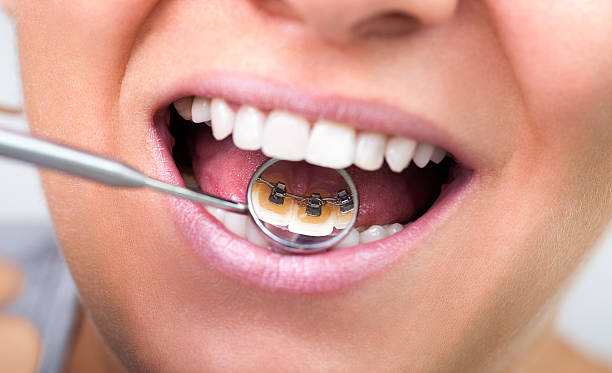
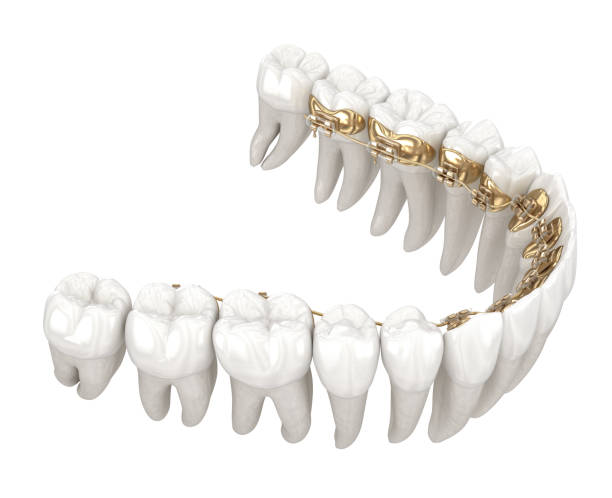
Lingual braces are an innovative orthodontic treatment option designed to address dental misalignment discreetly. Unlike traditional braces that are fixed on the front of teeth, lingual braces are placed on the inner surfaces of the teeth, making them virtually invisible from the outside. This makes them a popular choice for individuals who want to straighten their teeth without the aesthetic concerns associated with traditional braces or clear aligners.

Advantages of Lingual Braces
One of the primary advantages of lingual braces is their discreet nature. Because they are placed on the inside of the teeth, they are not readily visible when you smile or speak. This makes them particularly appealing for adults and professionals who may feel self-conscious about wearing braces.
Additionally, lingual braces are custom-made for each patient's teeth, ensuring a precise fit and effective treatment. They can address a wide range of orthodontic issues, including crowded teeth, gaps, and bite alignment problems.
Considerations Before Getting Lingual Braces
Before opting for lingual braces, it's essential to consider several factors. First, not everyone is a suitable candidate for lingual braces due to the specific requirements for tooth shape and size. Your orthodontist will assess your teeth and discuss whether lingual braces are the right choice for you.
Cost is another consideration, as lingual braces tend to be more expensive than traditional braces due to their customization and specialized placement. It's also important to check whether your dental insurance covers lingual braces, as this can significantly affect out-of-pocket expenses.
Maintenance of lingual braces requires careful attention to oral hygiene, as food particles can easily get trapped behind the braces. Regular adjustments are necessary to ensure the braces continue to straighten your teeth effectively throughout the treatment process.
Comparison with Other Orthodontic Options
Lingual braces offer a unique alternative to traditional braces and clear aligners. Unlike traditional braces, which are visible on the front of the teeth, lingual braces are hidden from view. This makes them a preferred choice for individuals who prioritize aesthetics during orthodontic treatment.
Compared to clear aligners like Invisalign, lingual braces are fixed appliances, which means they work continuously to straighten your teeth without the need for removal. This can be advantageous for patients who may forget to wear aligners consistently.
Procedure of Getting Lingual Braces
The process of getting lingual braces begins with an initial consultation with your orthodontist. During this visit, your orthodontist will examine your teeth, discuss your treatment goals, and determine whether lingual braces are suitable for you.
Once it's confirmed that lingual braces are the right choice, your orthodontist will take impressions of your teeth to create customized brackets and wires that will be placed on the inner surfaces of your teeth. The placement process may take longer than traditional braces due to the precise customization required.
Throughout your treatment, you'll visit your orthodontist regularly for adjustments to gradually move your teeth into their desired positions. The length of treatment varies depending on the complexity of your case, but your orthodontist will provide a timeline based on your specific needs.
Tips for Adjusting to Lingual Braces
Adjusting to lingual braces may involve some initial discomfort and changes in speech patterns as you get used to the brackets and wires on the inner surfaces of your teeth. This is normal and typically resolves as your mouth adapts to the braces.
Maintaining good oral hygiene is crucial when wearing lingual braces, as food particles can easily get stuck behind the braces. Brushing and flossing thoroughly after meals can help prevent plaque buildup and reduce the risk of dental issues during treatment.
You may also need to adjust your diet to avoid hard, sticky foods that could potentially damage the braces. Your orthodontist will provide specific guidelines on foods to avoid and how to care for your braces to ensure they remain effective throughout your treatment.
Frequently Asked Questions (FAQs)
1. Are lingual braces painful? Lingual braces may cause some discomfort initially and can irritate the tongue until it adapts. Over-the-counter pain relievers can help alleviate any discomfort.
2. How long does treatment with lingual braces take? The duration of treatment varies depending on the complexity of your case and your specific treatment goals. Your orthodontist will provide a timeline during your initial consultation.
3. Are lingual braces suitable for everyone? Lingual braces require sufficient space on the inner surfaces of the teeth for placement. Your orthodontist will assess whether you are a suitable candidate based on your individual dental anatomy.
Conclusion
In conclusion, lingual braces offer a discreet and effective orthodontic treatment option for individuals seeking to straighten their teeth without the visibility of traditional braces. By understanding the advantages, considerations, and procedure involved in getting lingual braces, you can make an informed decision about whether they are the right choice for your orthodontic needs. If you're considering orthodontic treatment and value aesthetics, lingual braces may be an excellent option to explore with your orthodontist.
4 Locations to serve you. Webster, Pearland, Katy, and Houston
Email=piiam@dr.com. Main Phone/Text=832.935.2418
Address: 100 E NASA Pkwy # 50, Webster, TX 77598