Orthodontics Pearland Treatment Center
Dental Braces Special Promotion in Pearland. $2999 for two patients.
Text-832.935.2418 | Email=Piiam@dr.com
|
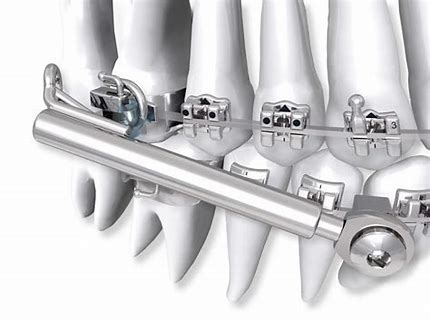
Sabbagh Universal Spring has established itself as a leading provider of innovative solutions in orthodontics, particularly in the treatment of Class II malocclusions. Class II malocclusion refers to a dental condition where the upper teeth significantly overlap the lower teeth, often resulting in an overbite. This condition can impact both aesthetics and oral function, making effective treatment crucial for patients. Specialization in Class II Treatment: Sabbagh Universal Spring leverages its expertise in spring manufacturing to develop specialized appliances tailored for Class II correction. These appliances play a pivotal role in orthodontic treatment by applying controlled forces to gradually reposition the teeth and jaws into proper alignment. The company's commitment to precision engineering ensures that these springs deliver consistent and reliable results, facilitating efficient treatment outcomes for patients. Product Offerings: Sabbagh Universal Spring offers a range of orthodontic springs designed specifically for Class II correction:
Quality and Innovation: Each spring manufactured by Sabbagh Universal Spring undergoes rigorous quality control measures to ensure superior performance and durability. Advanced manufacturing techniques and high-grade materials are employed to meet the demanding standards of orthodontic treatment. The company's commitment to innovation drives continuous improvement in product design and functionality, keeping pace with advancements in orthodontic practices. Collaboration with Orthodontic Professionals: Sabbagh Universal Spring collaborates closely with orthodontic professionals to understand the evolving needs of practitioners and patients. This collaborative approach facilitates the development of tailored solutions that address specific challenges associated with Class II malocclusions. By fostering partnerships with orthodontic specialists, the company remains at the forefront of orthodontic innovation, contributing to improved treatment outcomes and patient satisfaction. Global Impact and Recognition: With a global presence, Sabbagh Universal Spring's orthodontic products are widely recognized and utilized by orthodontists worldwide. Their commitment to quality, reliability, and patient-centric care has earned them a reputation for excellence in the orthodontic community. By supporting practitioners in delivering effective Class II treatments, Sabbagh Universal Spring plays a pivotal role in enhancing the overall quality of orthodontic care globally. Conclusion: In conclusion, Sabbagh Universal Spring continues to make significant strides in the field of orthodontics, particularly in the treatment of Class II malocclusions. Through innovative product development, steadfast commitment to quality, and collaborative partnerships with orthodontic professionals, the company remains dedicated to advancing orthodontic treatment methodologies and improving patient outcomes. As the demand for effective orthodontic solutions grows, Sabbagh Universal Spring stands ready to meet the challenges of the future with cutting-edge technologies and superior orthodontic appliances. |
|
Class II malocclusion is a type of dental misalignment where the upper teeth (maxillary arch) are positioned significantly ahead of the lower teeth (mandibular arch) when the jaws are closed. This results in an overbite, where the upper front teeth protrude over the lower front teeth. Class II malocclusion is one of the most common types of malocclusion observed in orthodontics. Classification:The classification of Class II malocclusion is typically further subdivided into two main categories based on the relationship between the upper and lower jaws:
Causes:Class II malocclusion can develop due to various factors, including:
Treatment:Treatment of Class II malocclusion often involves orthodontic intervention to correct the position of the teeth and jaws. Common treatment options include:
Effective treatment of Class II malocclusion not only improves dental aesthetics but also enhances oral function and overall oral health by creating a proper bite relationship between the upper and lower teeth. Treatment plans are customized based on the severity of the malocclusion and individual patient needs. Regular consultations with an orthodontist are essential to determine the most appropriate course of treatment for each case.
|
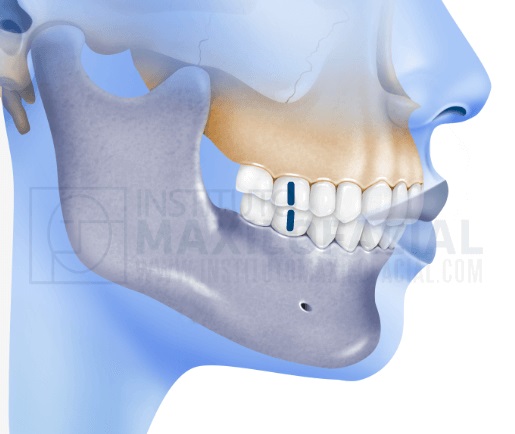
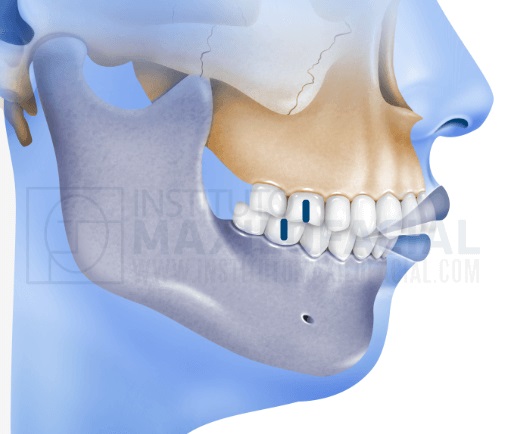
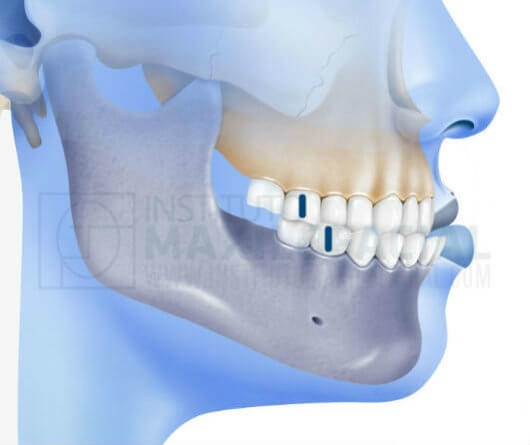
| Class I | Class II | Class III |
|
Class I is a normal relationship between teeth, jaw and jaw. This is the correct occlusion, and it gives the person a well-balanced profile in the anteroposterior plane. |
occurs when the lower dental arch is posterior (more towards the back of the mouth) than the upper one. In this malocclusion, the upper front and maxillary teeth project more forward than the lower teeth and the jaw. | is when the lower molars are very forward and do not fit their corresponding upper molars. In this faulty relationship, the lower teeth and the jaw project more forward than the upper and maxillary teeth. |
 |
 |
 |